Understanding portion sizes is essential for maintaining a balanced diet and achieving health goals. Proper portion control can help manage calorie intake and ensure a varied and nutritious diet. Below, we delve into a helpful visual guide to portion sizes, which can aid in making informed choices during meal preparation and planning.
Printable Portion Sizes Chart
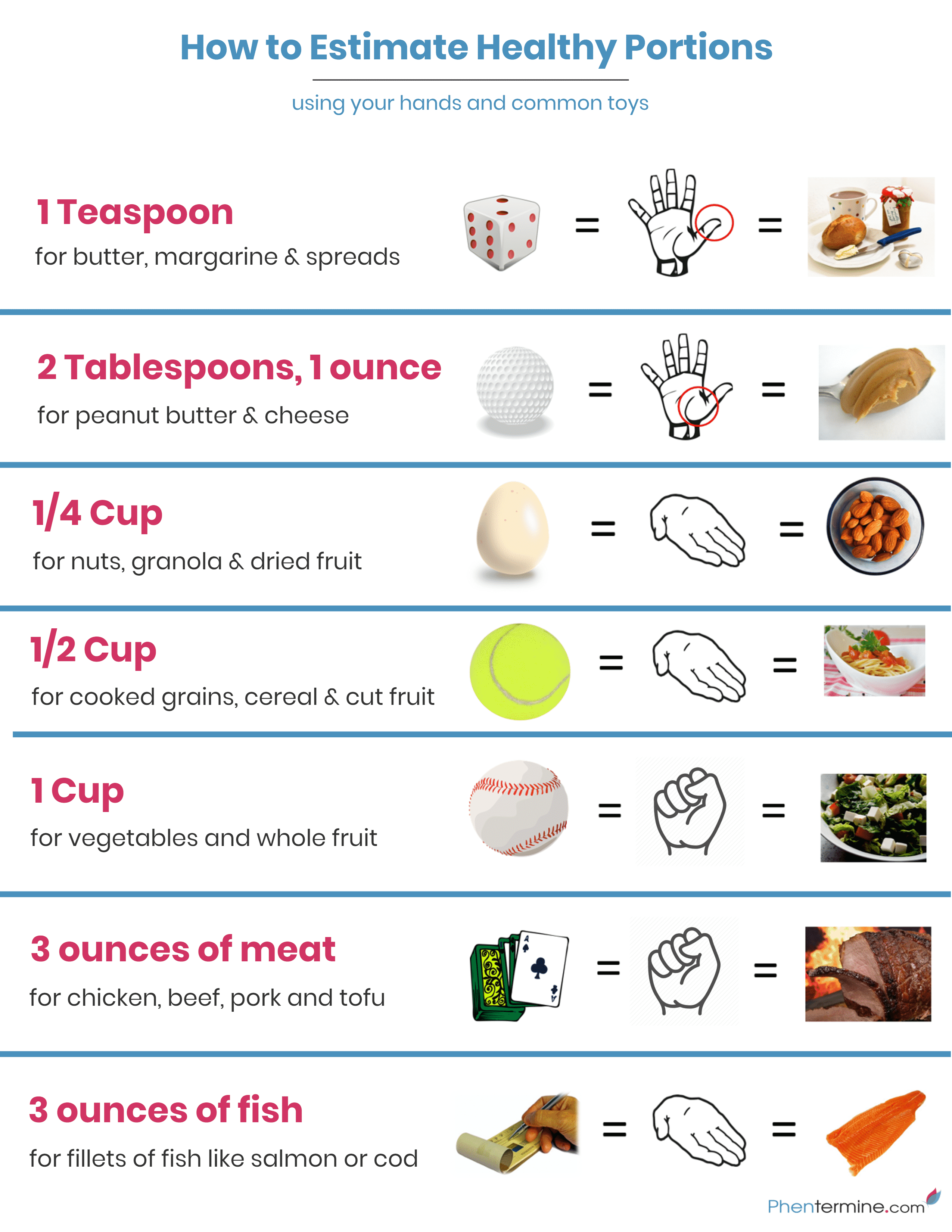
This infographic serves as a useful reference for proper portion sizes across various food categories. Visual aids are an effective way to grasp the recommended amounts, facilitating better adherence to dietary guidelines.
 Key Ingredients for Healthy Eating
To complement the understanding of portion sizes, it’s important to consider the types of ingredients that contribute to a nutritious meal. Here are some essential ingredients that should be included in a balanced diet:
- Fruits and Vegetables: Aim for a variety of colors to ensure a range of nutrients.
- Whole Grains: Opt for whole grains such as brown rice, quinoa, and whole wheat bread for added fiber.
- Lean Proteins: Incorporate sources like chicken, fish, beans, and legumes for muscle upkeep.
- Dairy or Dairy Alternatives: Choose low-fat or non-dairy options that provide calcium and vitamin D.
- Healthy Fats: Include avocados, nuts, seeds, and olive oil in moderation.
Instructions for Implementing Portion Control
Here are some practical steps to help you implement effective portion control in your daily meals:
- Start with smaller plates and bowls. This can help reduce serving sizes without feeling deprived.
- Measure out serving sizes for specific food groups, using measuring cups and a food scale as needed.
- Be mindful while eating; give your brain time to recognize fullness. Try to eat slowly and without distractions.
- Plan meals and snacks ahead of time, which can prevent overeating on impulse.
- Regularly review and adjust portion sizes based on physical activity levels and nutritional needs.
Incorporating these practices into daily life can create a foundation for better health and well-being. By understanding and using the printable portion sizes chart, individuals can make informed decisions about what and how much to eat, ultimately fostering a healthier lifestyle.
source: templates.esad.edu.br
